Home / Disease / Anemia – Iron-Deficiency

Disease Information

Overview

Anaphylaxis is a serious generalized or systemic hypersensitivity reaction that is rapid in onset and potentially fatal as stated in the Introduction section.

It is estimated that the incidence of anaphylaxis in children ranges from 1 to 761 per 100,000 person-years, with a risk of recurrence of reactions as much as 26.5-54.0%. Current data show that the incidence of anaphylaxis has increased, mainly due to the increases in food allergies in infants and children. Other data on the incidence of anaphylaxis in children is also discussed in the Epidemiology section.

In the Pathophysiology section, the immunological and non-immunological mechanisms of development of anaphylaxis are discussed.

Food allergy is the most common cause of anaphylaxis in children and the other causes are enumerated in the Etiology section.

History and Physical Examination

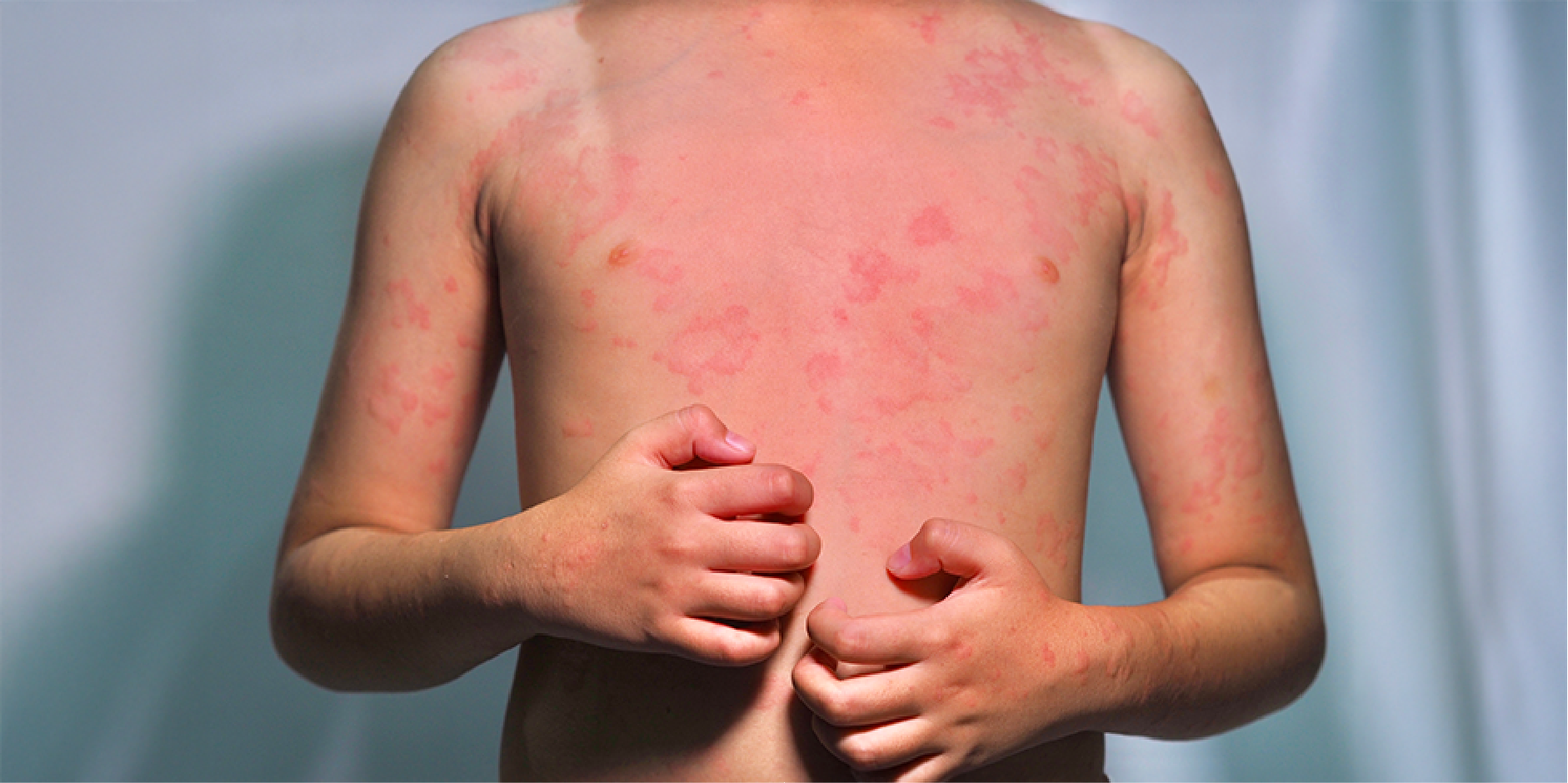
Signs and symptoms of anaphylaxis in children are enumerated in the Clinical Presentation section.

History taking is a key part of the diagnostic work-up. It is important to identify risk and predisposing factors for possible recurrence and these are discussed in the History section.

Diagnosis

The Diagnosis or Diagnostic Criteria section enumerates the clinical criteria in diagnosing anaphylaxis.

The Laboratory Tests and Ancillaries section mentioned that if there is the presence of a reliable history, serum specific IgE, skin prick test and food patch test will confirm the diagnosis. This section also enumerates the other lab tests to be done in children having clinical presentation of anaphylaxis.

The Differential Diagnosis section discusses that vasovagal (vasodepressor) reaction is the condition most confused with anaphylaxis. This section also enumerates the other alternative diagnosis for anaphylaxis in children.

Management

The Pharmacological Therapy section enumerates and discusses the immediate and subsequent management of children with anaphylaxis. Adjunctive therapies are also discussed in this section.

During immediate management prompt assessment and treatment are critical as death can ensue rapidly. A rapid assessment of airway, breathing, circulation, and level of consciousness is done. Subsequent management with O2 and fluid support is also given. Aside for these, other interventions, patient observation and education and referral to an allergist-immunologist are featured in the Nonpharmacological section.

Ways to prevent anaphylaxis are enumerated in the Prevention section.
Introduction

Anaphylaxis is a serious generalized or systemic hypersensitivity reaction that is rapid in onset and potentially fatal.

Anaphylaxis (Pediatric)_Disease Background


Epidemiology

It is estimated that the incidence of anaphylaxis in children ranges from 1 to 761 per 100,000 person-years, with a risk of recurrence of reactions as much as 26.5-54.0%. Current data show that the incidence of anaphylaxis has increased, mainly due to the increases of food allergies in infants and children. Fortunately, despite the noted increases in incidence and hospitalizations secondary to anaphylaxis, the mortality remains low, 0.05-0.51 per million people per year for drugs, 0.03-0.32 for food, and 0.09-0.13 for venom induced anaphylaxis.

Though majority of reports of anaphylaxis are from Western countries, studies in Asia show that its incidence in this region is also increasing. In Korea, the incidence of childhood anaphylaxis rose from 6 in 2008 to 22 per 100,00 person-years in 2014, quadrupling in young children aged 0-9 years old. While in Taiwan, incidence of anaphylaxis grew at an average of 5% annually from 2001 to 2013.

Pathophysiology

Anaphylaxis involves immunological response with IgE, high-affinity IgE receptors, mast cells, basophils, release of cytokines, chemokines, and chemical mediators of inflammation (eg histamine and tryptase). IgG-mediated anaphylaxis has been reported in humans after administration of dextran or monoclonal antibodies. Non-immunological mechanisms are also involved and termed as non-allergic anaphylaxis or anaphylactoid reaction. This is relatively uncommon in children.

Etiology

Common Causes

Food allergy is the most common cause in the community setting. Common allergens include cow’s milk, egg white, shellfish, peanuts, tree nuts, and wheat. Medications such as penicillins, beta-lactams, cephalosporins, nonsteroidal anti-inflammatory drugs (NSAIDs), muscle relaxants, anticancer chemotherapy drugs, biological modifiers, monoclonal antibodies (eg Omalizumab) and latex are common allergens in the hospital setting.

Food-induced anaphylaxis associated with exercise usually affects teenagers. This is characterized by anaphylaxis occurring when exercise takes place within 2 to 4 hours of ingestion of a specific food. This may be food-independent or food-dependent; may be encountered after ingestion of celery, shellfish, and wheat.

Idiopathic anaphylaxis occurs when the trigger of the anaphylaxis is unknown or cannot be identified despite thorough history, allergen skin tests, IgE levels, and provocation tests. Allergen immunotherapy and insect sting are also common causes of anaphylaxis

Scroll to Top